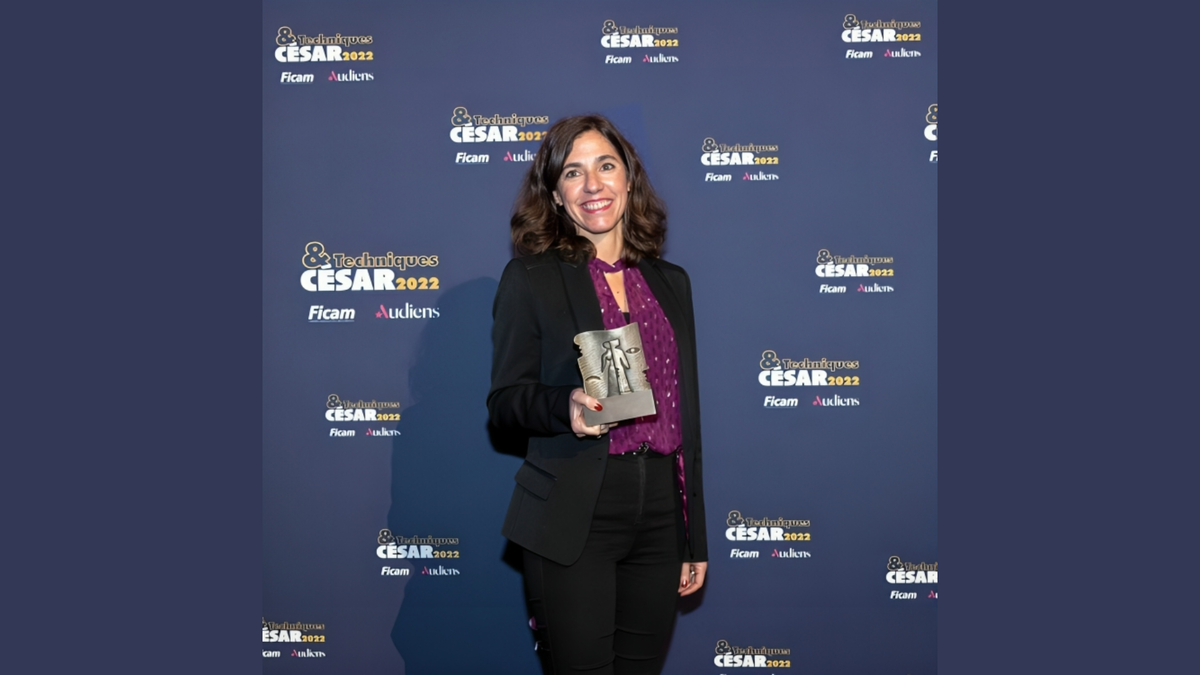
TELL US ABOUT YOUR DAILY HABITS THAT KEEP YOU INSPIRED AND MOTIVATED.
My inspiration comes from a deliberate balance between grounding activities and cultural immersion. I practice yoga and horse riding regularly – these moments allow me to realign, reconnect with nature, and clear my mind. There's something powerful about starting the day centred, especially in our fast-paced technical environment.
Cinema and theatre are non-negotiable parts of my routine. It may seem obvious given our industry, but watching films and live performances keeps me connected as to why our technical work matters – we're enabling storytelling and shared experiences. It's both an escape and a constant source of creative fuel.
I also recharge through meaningful connections with friends and colleagues. In leadership, you can't pour from an empty cup. These moments of genuine exchange remind me that behind every technical challenge, there are human stories and relationships.
What truly motivates me is seeing the direct impact of our work. When a premiere streams flawlessly to cinemas across Europe, or when a distributor can safely and efficiently release their movie worldwide, I see how technical excellence serves the magic of cinema.
LOOKING BACK AT YOUR CAREER JOURNEY, WHAT ARE YOU MOST PROUD OF?
If I had to choose, I'm particularly proud of successfully integrating the Eclair and Deluxe teams. When we started, there were two distinct cultures, different working methods, separate tools and processes – and significant mistrust.
Over time, we built one unified team with a genuine climate of trust and collaboration. This wasn't just about technical integration; it was about bringing people together around a shared vision. Today, seeing these teams work seamlessly together is incredibly rewarding.
I'm also proud of launching innovative partnerships that have transformed our clients' experience. Mica by Deluxe, for instance, provides distributors with an end-to-end solution – from film programming to DCP delivery and contract billing. It's a perfect example of how technical expertise can solve real business challenges.
Another milestone has been developing our competitive offer for live event capture and transmission service for cinemas. We're not just delivering content; we're creating experiences and opening new revenue streams for exhibitors and distributors.
But beyond these achievements, what makes me most proud is having built my career on values of excellence, collaboration, and inclusion. From co-founding DRTV Lab and selling it successfully, to now leading a multi-country operation, I've always tried to demonstrate that technical expertise and human leadership go hand in hand.
WHAT WERE THE BIGGEST CHALLENGES YOU ENCOUNTERED THROUGHOUT YOUR LEADERSHIP JOURNEY? DID YOU HAVE ANY MENTORS ALONG THE WAY?
One of the biggest challenges has been navigating industry transformations – from the analogue-to-digital transition to the streaming era. Each shift required not just technical adaptation but leading teams through uncertainty.
Being a woman in technical leadership has also presented unique challenges. In an industry where decision-making roles remain predominantly male, I've had to establish credibility repeatedly. But I've learned to see this as an opportunity to pave the way for others.
I've been fortunate to have exceptional mentors, particularly former managers from my early days at TF1 who continue to support me today. They taught me that leadership isn't about having all the answers – it's about asking the right questions, empowering your team, and making decisive calls when needed.
I'm also inspired by high-level athletes and adventurers – people who push boundaries, prepare meticulously, and perform under pressure. Their mindset of continuous improvement and resilience deeply resonates with how I approach business challenges.
What I've learned is that mentorship is invaluable. Having people who believe in you, challenge you, and provide honest feedback can accelerate your growth tremendously. That's exactly why I'm so committed to the UNIC Women's Cinema Leadership Programme.
GIVEN THE DEMANDS OF YOUR ROLE, HOW DO YOU BALANCE YOUR WORK AND PERSONAL LIFE?
Honestly, "balance" might be the wrong word – I prefer "integration." Leading a multi-country operation with 40 people and managing P&L doesn't allow for strict boundaries, and I've made peace with that.
What matters is being intentional about priorities. I protect certain moments: my morning yoga sessions, weekend horse riding, evenings with friends, cultural outings. These aren't "nice to haves" – they're essential to my performance and wellbeing. When I'm grounded and energised, I'm a better leader.
I've also learned to delegate effectively and trust my teams. Early in my career, I felt I had to be involved in everything. Now, I know that empowering others isn't just good management – it's what allows me to focus on strategic priorities and maintain my own equilibrium.
Technology helps and hinders. I'm deliberate about when I'm "on" and when I disconnect. The cinema industry never sleeps – there's always a premiere, a crisis, or an opportunity in a different time zone – but I've learned that being constantly available doesn't mean being more effective. Let’s be honest: it's not always easy, especially after 30 years of professional theatre practice and maintaining high standards in everything I do. But I've built a life where my professional challenges energise me rather than drain me, and that makes all the difference.
WITH OVER 25 YEARS EXPERIENCE IN BUSINESS DEVELOPMENT AND OPERATIONS IN THE CINEMA AND AUDIOVISUAL SECTORS, WHAT DO YOU THINK IS HOLDING WOMEN BACK, AND WHAT DO YOU THINK NEEDS TO CHANGE FOR BETTER REPRESENTATION AND INCLUSION?
The challenges are both structural and cultural. In our technical sector, women remain underrepresented in leadership roles, and this creates a compounding effect: fewer role models, limited networks, and unconscious bias about who "looks like" a technical leader.
One critical issue is access to opportunities and networks. Men often benefit from informal networks – mentorship, sponsorship, insider knowledge about opportunities – that women simply don't have the same access to. This is especially true in technical domains where the "old boys' club" mentality can persist.
We also need more visibility and mirroring. When women can see themselves reflected in leadership positions, it becomes easier to envision their own path forward. This isn't just about inspiration – it's about understanding the specific competencies, strategies, and approaches needed to succeed.
What needs to change? We need intentional action, not just good intentions:
First, create structured opportunities for networking, mentorship, and skill development – exactly what UNIC's programme provides.
Second, promote mixed-gender leadership teams. Diversity isn't just a moral imperative; it's a business driver. Companies with diverse leadership consistently outperform their peers.
Third, address the confidence gap. Women are often more critical of themselves and less likely to apply for positions unless they meet 100% of requirements. We need to encourage women to take calculated risks and advocate for themselves.
Finally, men must be active allies. Inclusion isn't just women's work – it requires everyone, especially those in power, to actively open doors and challenge biased systems.
The good news? I've seen real change over my 25-year career. We're moving in the right direction, but we need to accelerate. The cinema industry has always been about bringing diverse stories to life – our leadership should reflect that same diversity.
YOU WERE A MENTOR IN THE PREVIOUS EDITION OF THE UNIC WOMEN'S CINEMA LEADERSHIP PROGRAMME. WHAT HAS THAT EXPERIENCE BEEN LIKE FOR YOU?
It's been one of the most rewarding experiences of my career. I'll be honest – I was initially anxious about the value I could bring. My mentee's objectives weren't clearly defined at the start, and I worried whether I could truly make a difference.
But what unfolded exceeded all expectations. Over the months, through our regular sessions, I had the privilege of accompanying her through two promotions in just 12 months.
My approach was simple but effective: I put myself in her manager's shoes. Together, we worked on building the right arguments, identifying strategic approaches, and finding the right internal support. I helped her see her own value and translate her achievements into language that resonated with decision-makers.
What struck me most was how much I learned in return. Mentoring forced me to articulate lessons I'd internalised over decades – about negotiation, positioning, navigating organisational politics, and building confidence. Teaching clarifies thinking.
I also realised that sometimes, what women need most isn't technical advice but permission to advocate for themselves. We're often our own harshest critics. My role was partly to be that voice saying, "You're ready. You deserve this. Now go ask for it."
The programme itself is brilliantly designed. It creates a structured framework for conversations that might otherwise never happen, connecting women across borders and roles within our industry. These relationships extend far beyond the formal programme.
I'm deeply grateful to UNIC for creating this space. It's exactly the kind of intentional action our industry needs.
WHAT ADVICE WOULD YOU GIVE CURRENT MENTORS AND MENTEES?
For mentees:
Be bold with your goals. Don't wait for perfect clarity before engaging. The mentoring process itself will help you define and refine your objectives. Come with questions, challenges, and ambitions – even if they feel unformed.
Own your development. Your mentor is a guide, not a saviour. Come prepared, drive the agenda, and take action between sessions. The real growth happens when you apply insights to your daily work.
Be vulnerable. Share your doubts, fears, and setbacks. The most valuable conversations often start with "I don't know how to..." or "I'm struggling with..." Authenticity creates real breakthroughs.
Think beyond your immediate role. Use this time to explore broader career possibilities, understand industry dynamics, and build strategic thinking skills. This isn't just about solving today's problem – it's about shaping your future.
For mentors:
Listen more than you speak. Our job isn't to have all the answers or impose our path. It's to ask powerful questions that help mentees discover their own answers. Every person's journey is unique.
Share both successes and failures. The struggles you've overcome are often more valuable than the victories you've achieved. Vulnerability creates trust and shows that challenges are normal.
Put yourself in their manager's shoes. Help your mentee understand how they're perceived and how to position their value effectively. Translation skills are crucial – turning achievements into business language.
Be a connector. Open your network. Make introductions. Sometimes the most valuable thing you can offer is access to people, opportunities, or perspectives they couldn't reach alone.
For both:
Make this a genuine relationship, not a transaction. The best mentoring relationships evolve into lasting professional friendships. Be present, be curious, and be generous with your time and wisdom.
Finally, remember: mentoring benefits everyone. Mentees gain guidance and confidence. Mentors gain fresh perspectives and the satisfaction of contributing to others' growth. And our industry gains stronger, more diverse leadership. That's a win worth investing in.